

Gig Driver Receipts: What to Keep and How to Organize Them
Each receipt should show the payee, amount, date, and business purpose. Here is what gig drivers should keep and a same-day habit so receipts don't fade.
Notes on building apps, teaching what we learn, and the tools we use along the way.
Each receipt should show the payee, amount, date, and business purpose. Here is what gig drivers should keep and a same-day habit so receipts don't fade.

Learn the bachata basic step: three side steps and a tap on 4 and 8, with tips on step size, hip motion, hearing the music, and a simple practice routine.

Learn to count salsa music in eights, find the 1 in any song, and practice a simple daily timing drill so your basic step lands on the beat.

Customers buy a Sweet Studio video course once from the Video Courses tab and stream it from their account. Here is how to create and price one.
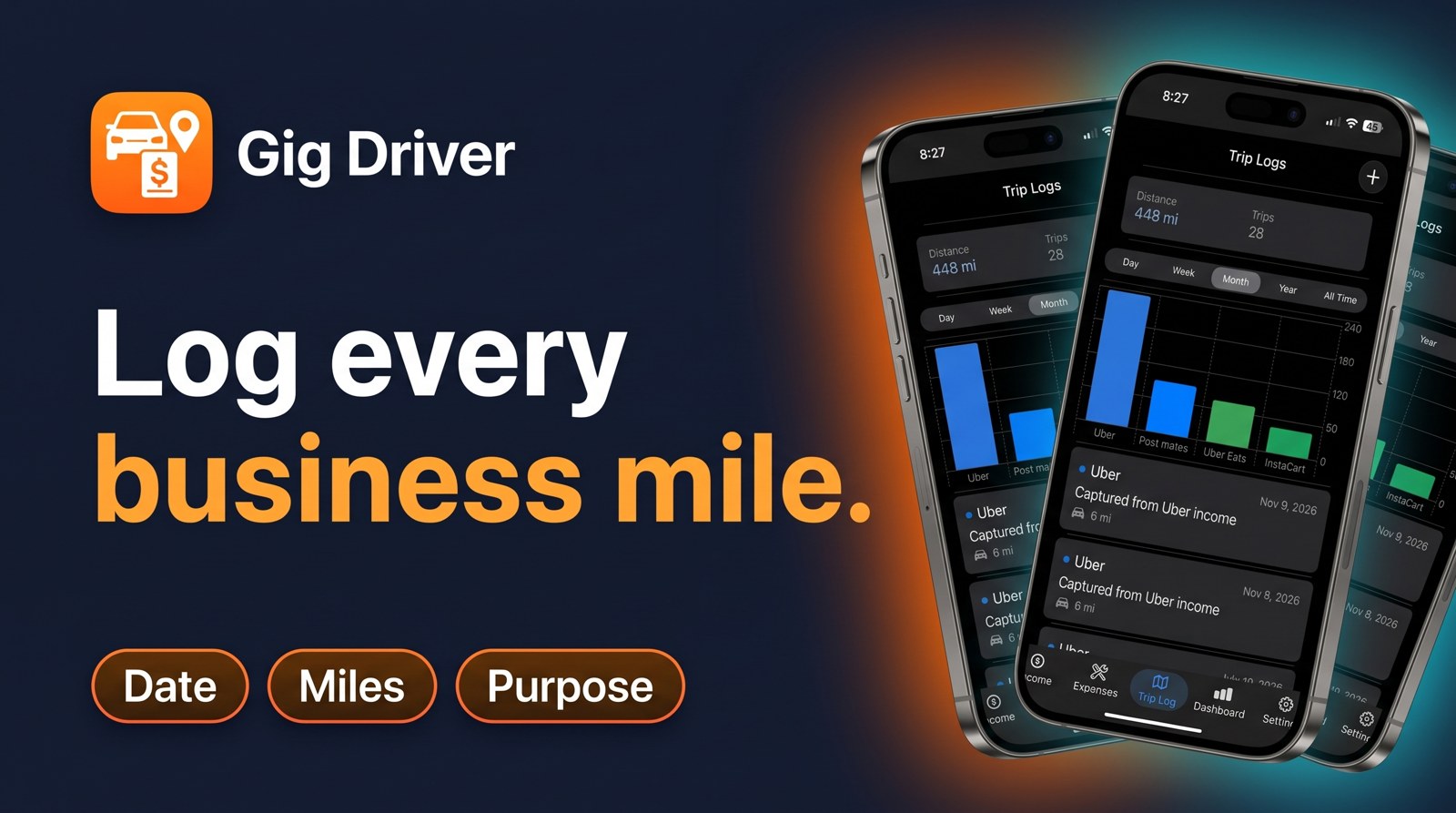
Record the date, miles, destination, and purpose of each business trip as you drive. Here is what IRS Publication 463 expects and a simple weekly habit.
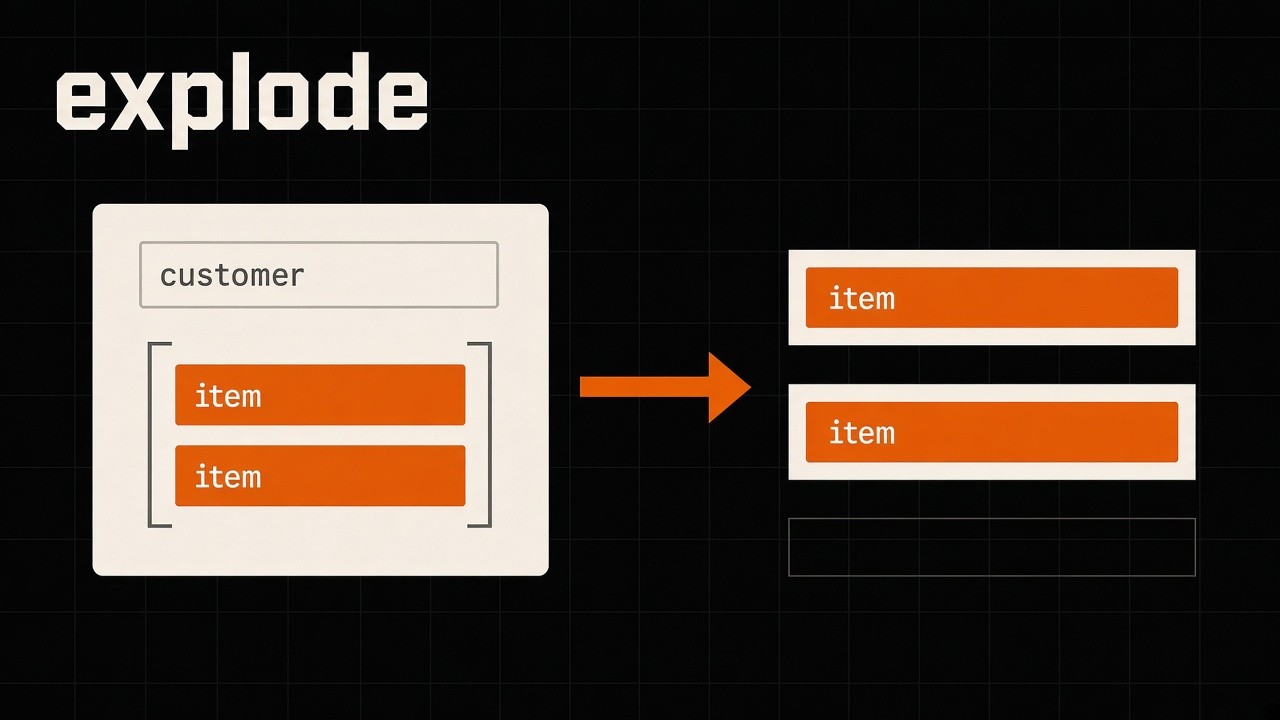
Databricks Data Engineer Associate exam prep: load nested JSON, reach into structs, flatten arrays with explode, and keep empty arrays with explode_outer.
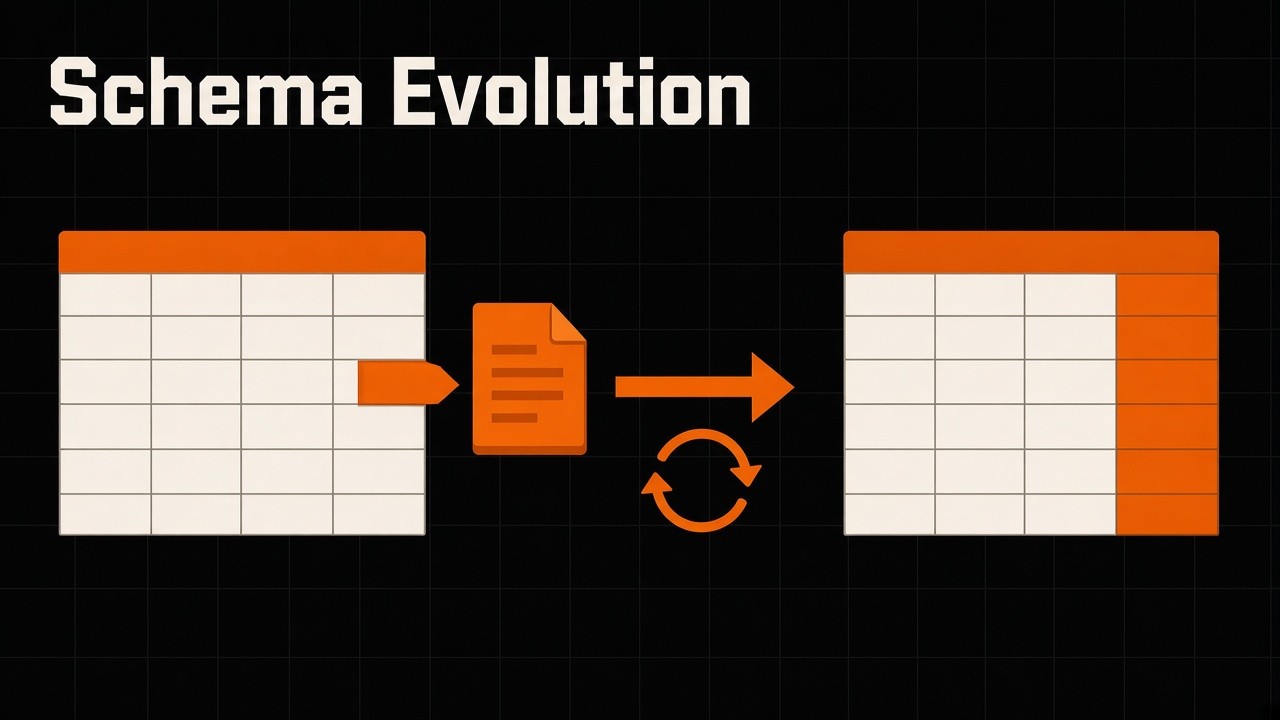
Databricks Data Engineer Associate exam prep, Section 2: Auto Loader schema evolution, schema hints, mergeSchema, and why a new column fails the stream once.

Customers buy a solo or couple private lesson package from the Lessons tab in their Sweet Studio portal, and one QR code tracks how many lessons are left.

A Sweet Studio membership is a monthly plan that renews through Stripe and includes the classes and events you choose. Here is how you can create a plan.
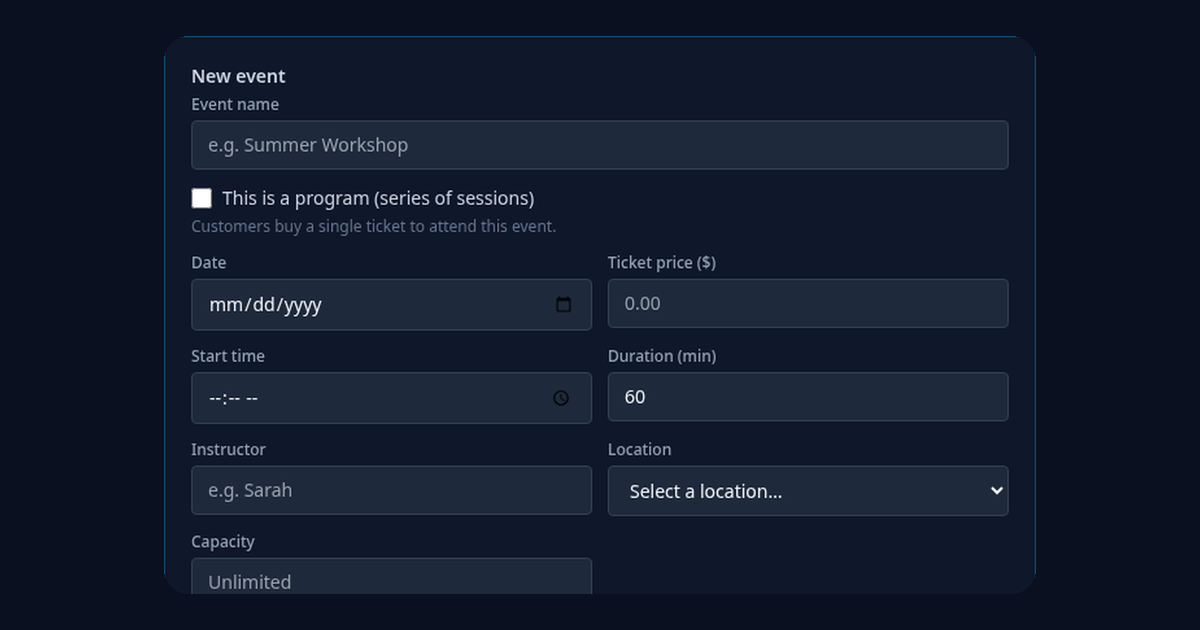
Once an event is Active, customers can buy a ticket from their Sweet Studio portal. Here is how to set the name, time, price, cover, and Lead/Follow limits.

Customers buy a credit pack from their Sweet Studio portal, and credits land in their wallet as soon as payment completes. Here is how to create a pack.

FRTB is the Basel rewrite of trading-book capital. This post covers the banking-book boundary, expected shortfall, the standardized math, and the U.S. timeline.

CVA is the discount for the chance a trading partner cannot pay. This post explains the earnings hit, the Basel capital charge, and what it means for regionals.

Value at Risk, or VaR, shows how much a portfolio could lose on a normal bad day. Here is the math, its limits, and how backtesting checks the number.

Liquidity risk asks whether a bank can pay cash today, even if solvent on paper. This post covers deposit runs, the LCR, and the Silicon Valley Bank lesson.

Bank capital is a loss cushion, not cash in a vault. This post explains CET1, risk-weighted assets, the Basel minimums plus the buffer, and a regional example.

A stress test asks whether capital could survive a severe downturn over nine quarters. Here are the scenarios, the capital math, and the stress capital buffer.
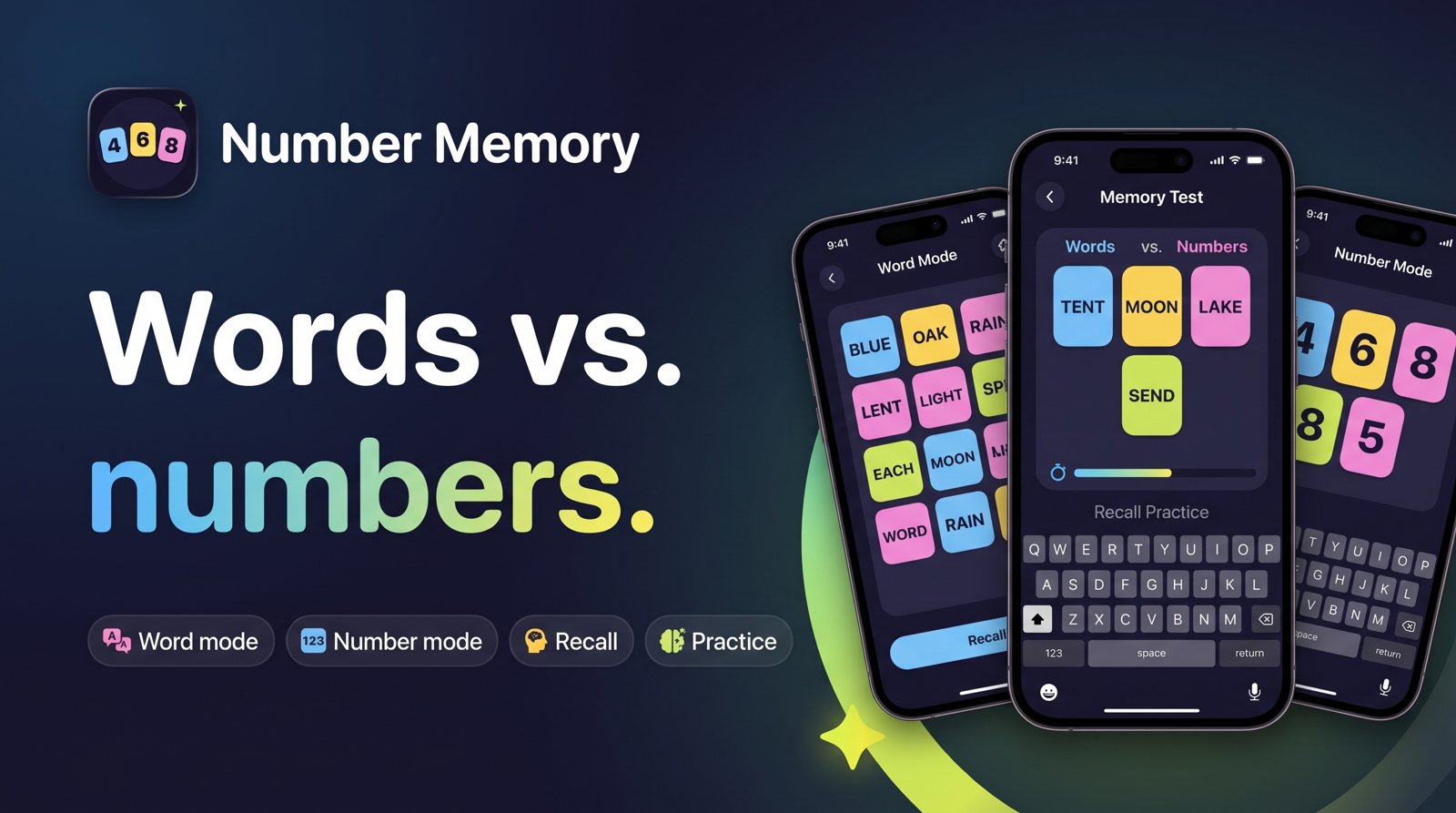
Word-sequence memory training uses the same recall process as digits, but words group differently. Here is how to practice both without mixing them up.

Turn-based two-player memory match, plus English and Spanish word themes, gives families and partners a simple way to practice recall on the same board.
Part 3 of a PySpark series: query DataFrames with Spark SQL temp views, match the DataFrame results, and save a managed Delta summary with mode error.
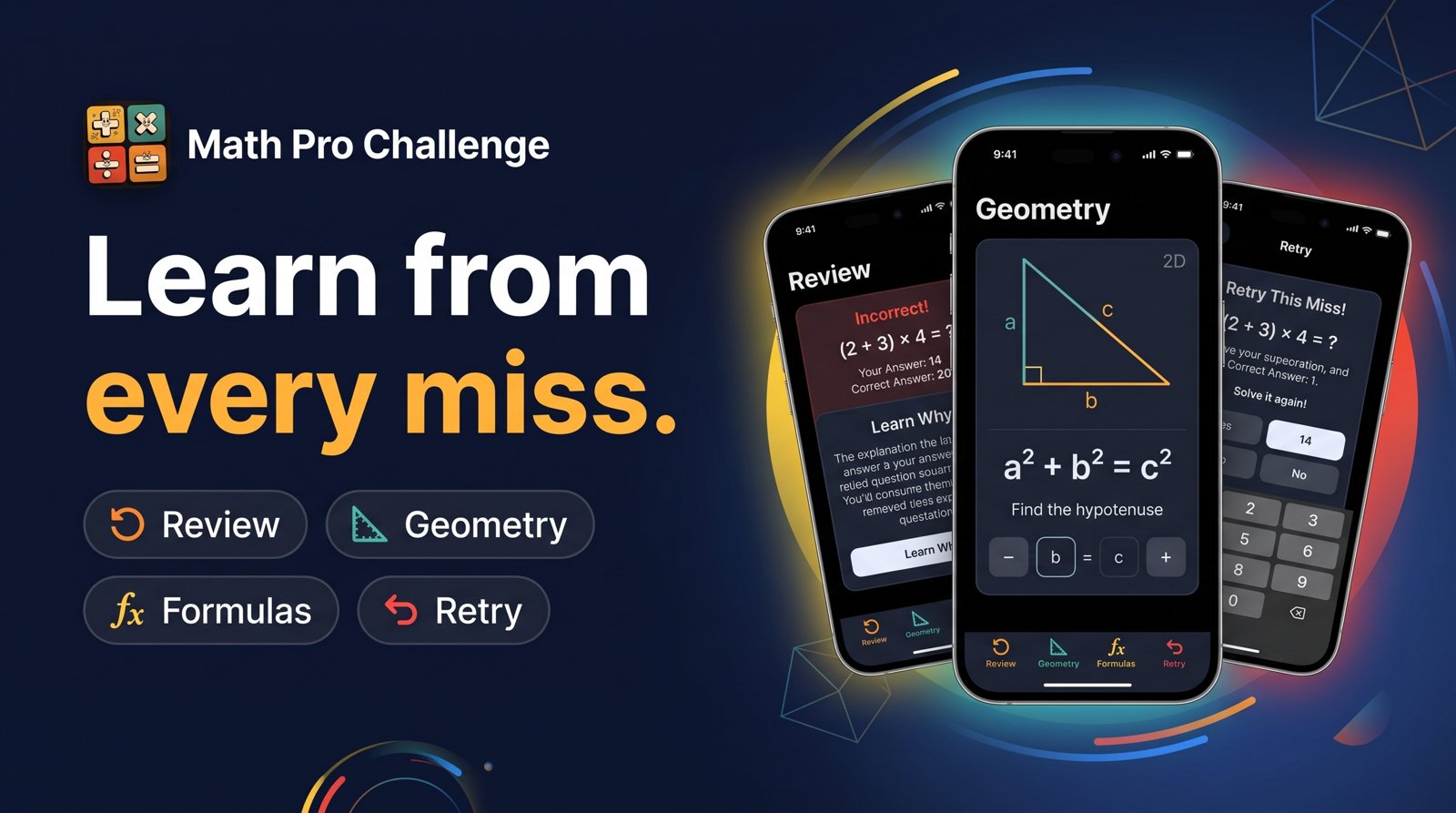
After each math set, review the step-by-step solutions and keep a geometry formula reference nearby so missed problems turn into something you can reuse.
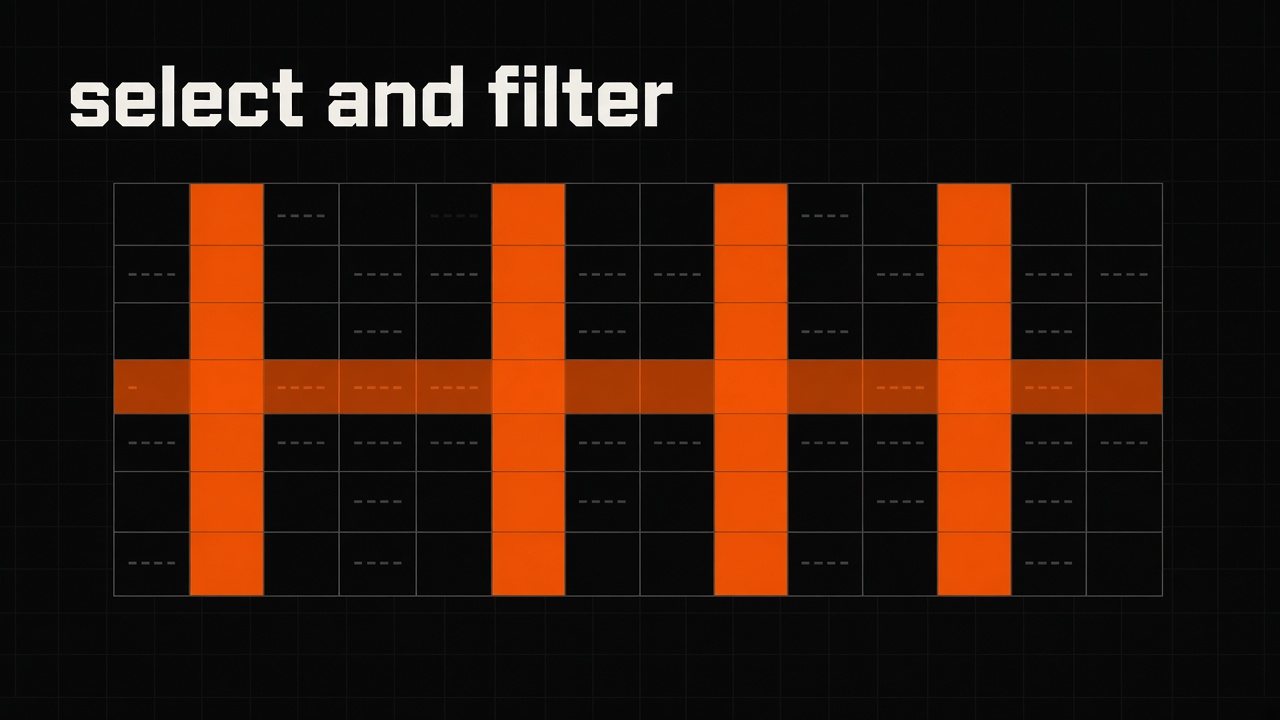
Part 1 of a PySpark series on Databricks Free Edition: shape data with select, filter and withColumn, sort with a tiebreaker, and count nulls before cleaning.
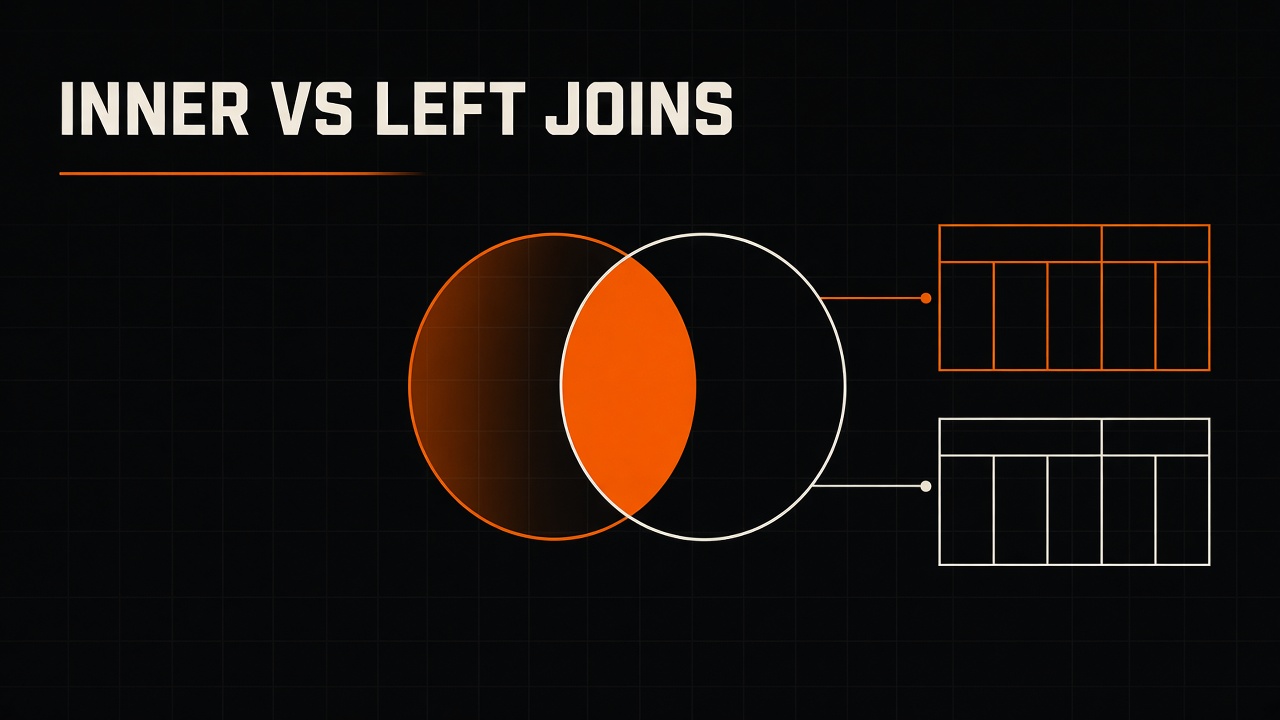
Join and aggregate data with PySpark on Databricks: check lookup keys, choose inner or left joins, see how duplicate keys inflate totals, and reconcile results.
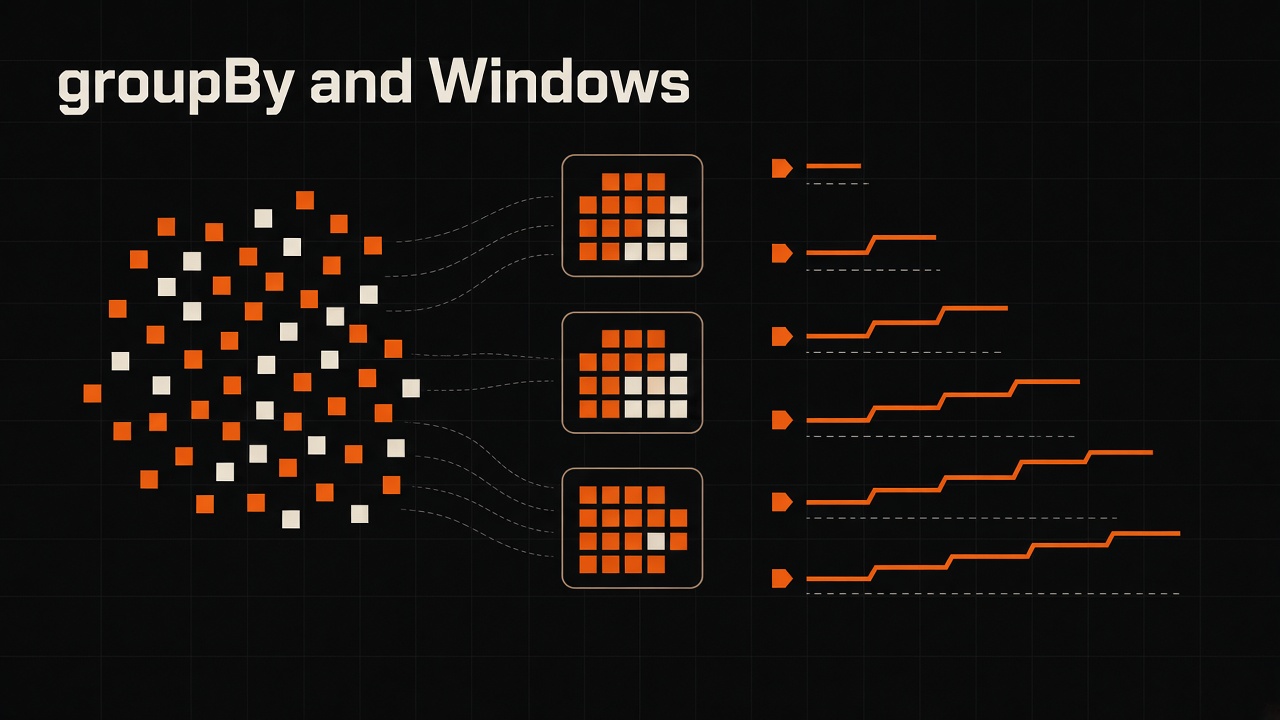
Part 2 of a PySpark series on Databricks: aggregate with groupBy, reconcile rollups to a known total, and rank and accumulate rows with window functions.
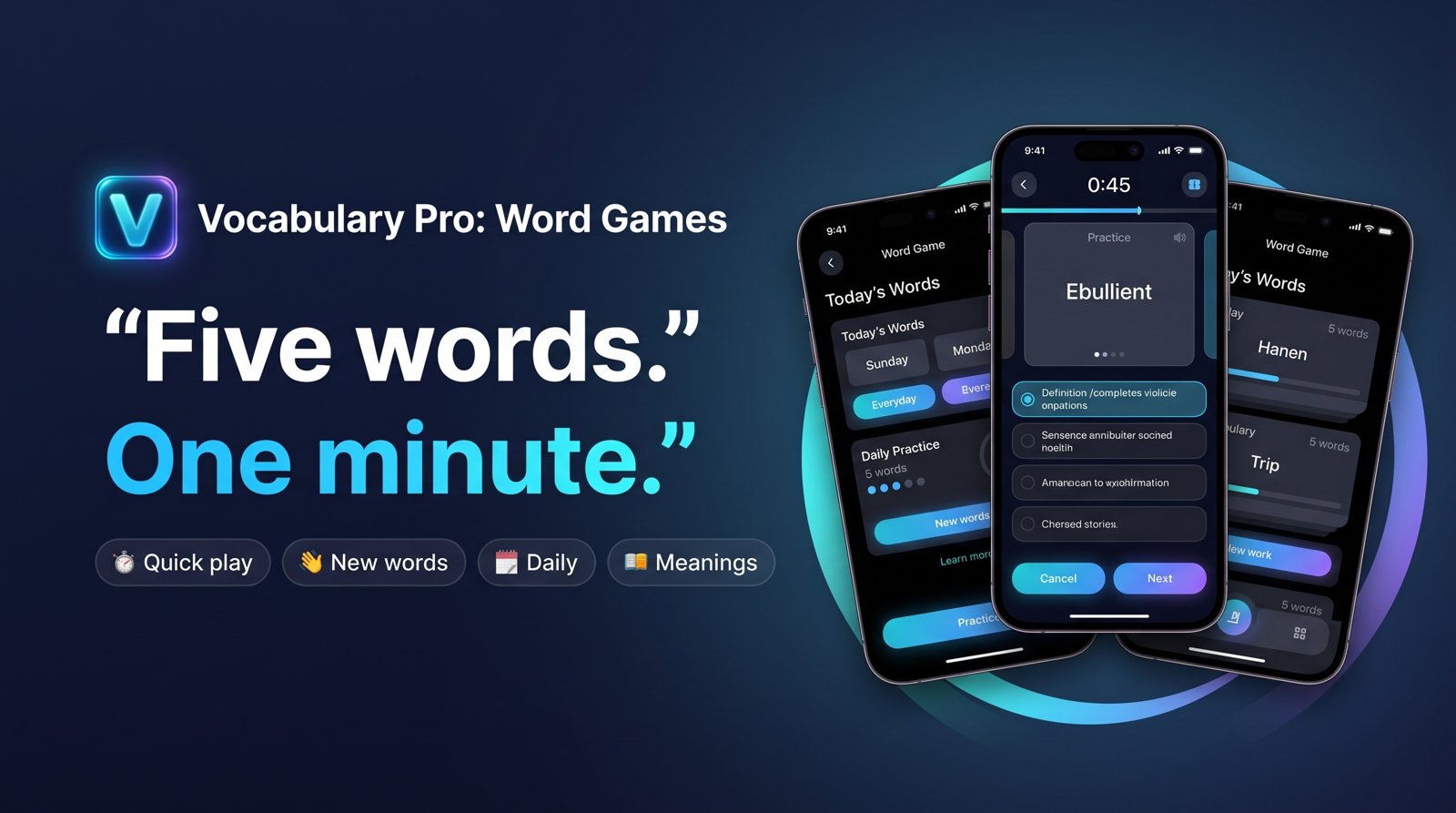
A one-minute round of five words, across spelling, synonyms, and other question types, is a compact way to practice vocabulary and then review meanings.
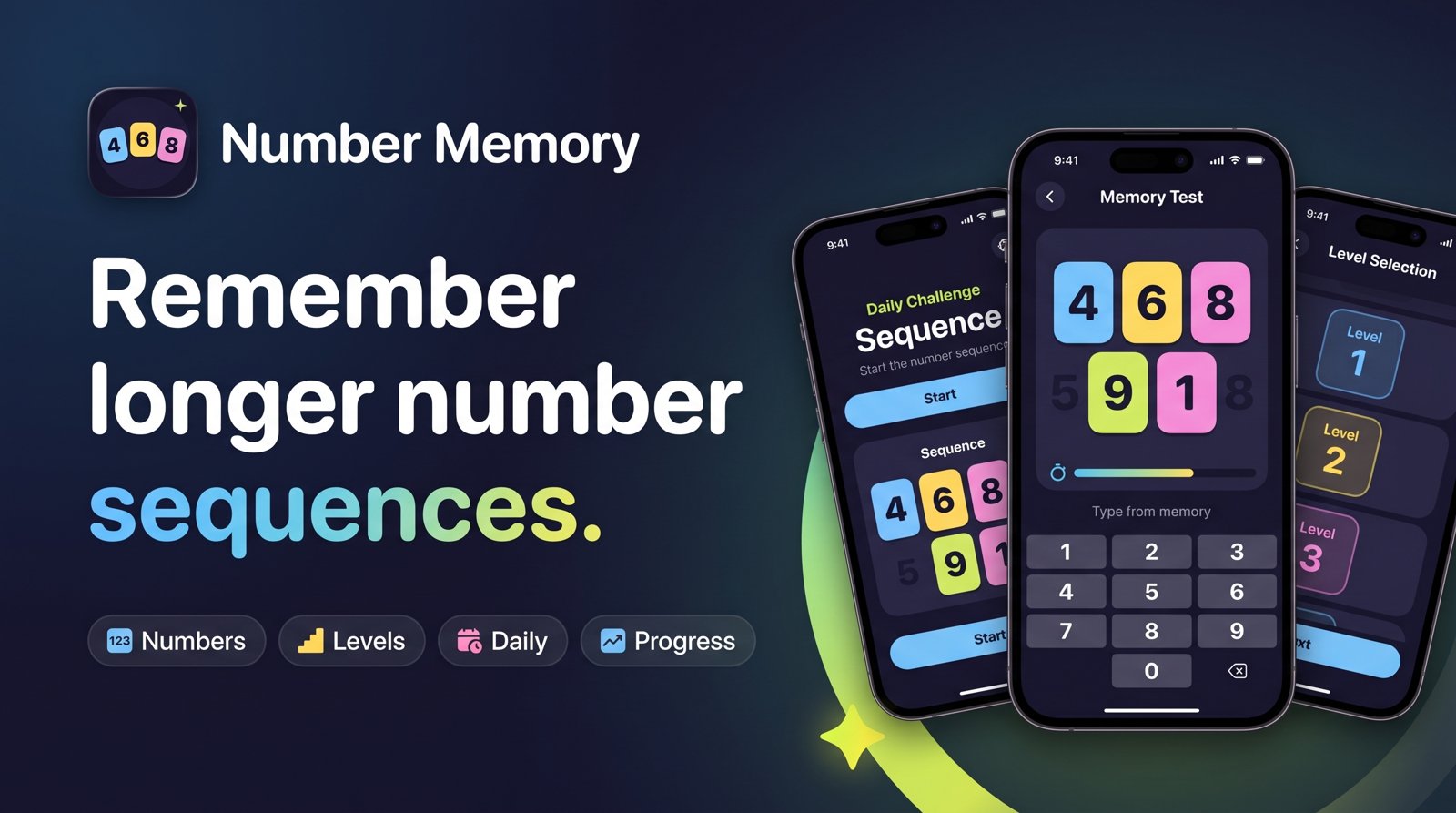
Start number-sequence memory practice with a short length, then increase the challenge only after you can recall that sequence correctly and consistently.
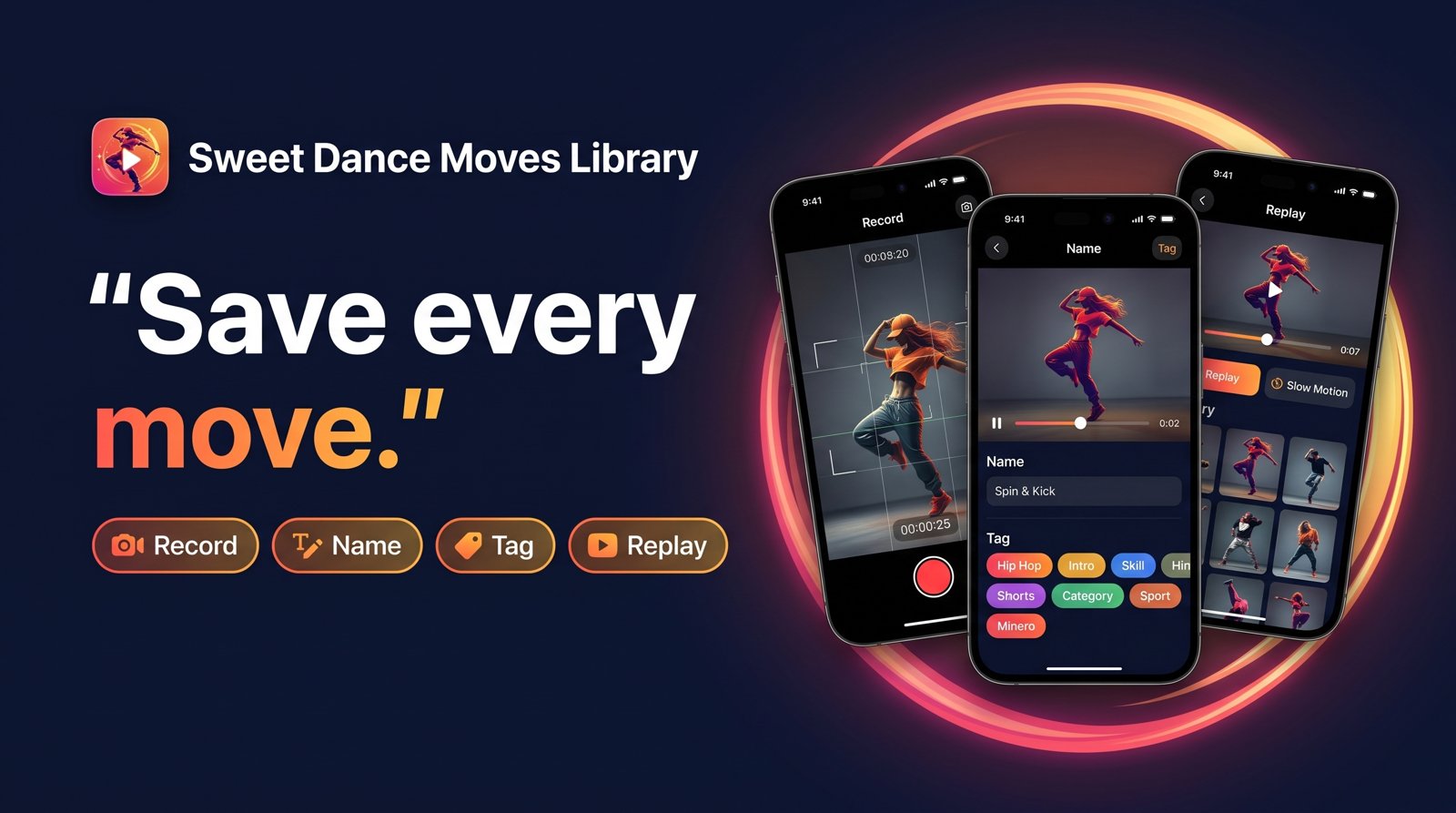
Class, socials, and short videos are easy to forget by the end of the week. Save each move when you learn it, then tag it so you can find it again later.
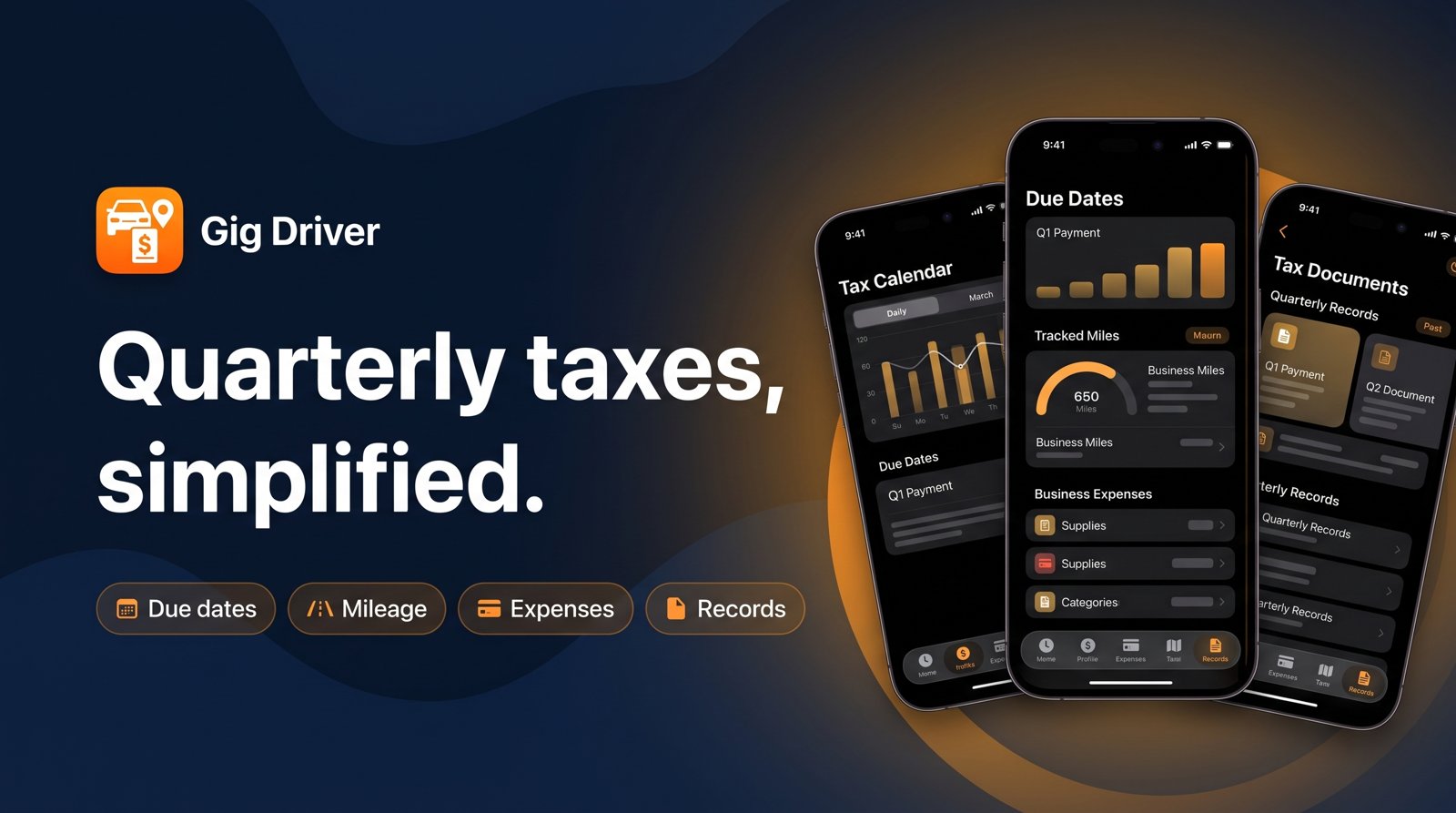
Gig income often has no tax withheld. Here are the IRS estimated-tax due dates, the $1,000 rule, and the income and mileage records worth keeping all year.

Payout screens show what each gig app paid you, not what you kept after costs. Log income by platform and review profit after vehicle expenses together.
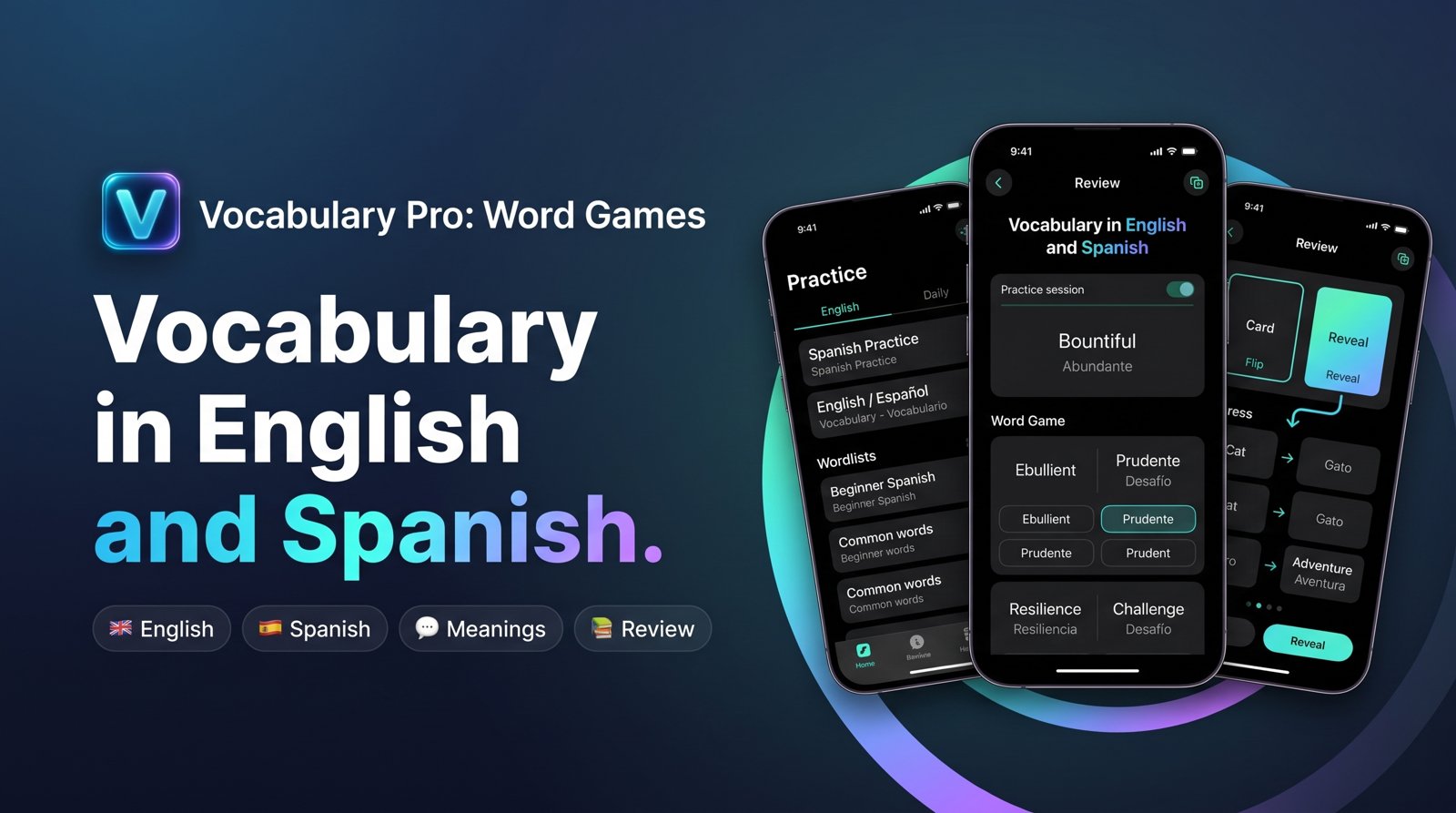
Practice vocabulary in English or Spanish, review what each word means after the round, and use untimed practice or a duel without mixing those modes up.
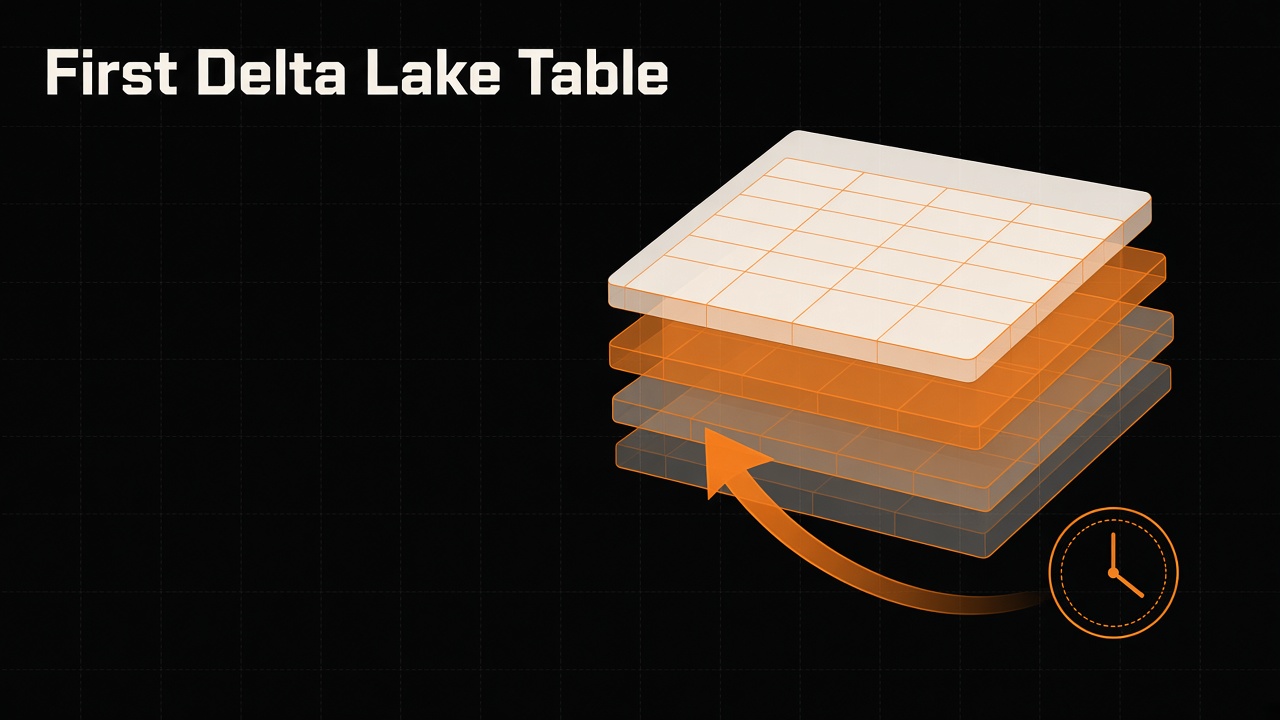
Create a managed Delta table on Databricks Free Edition, read it with SQL and PySpark, update a row, and time travel to the version before the update.
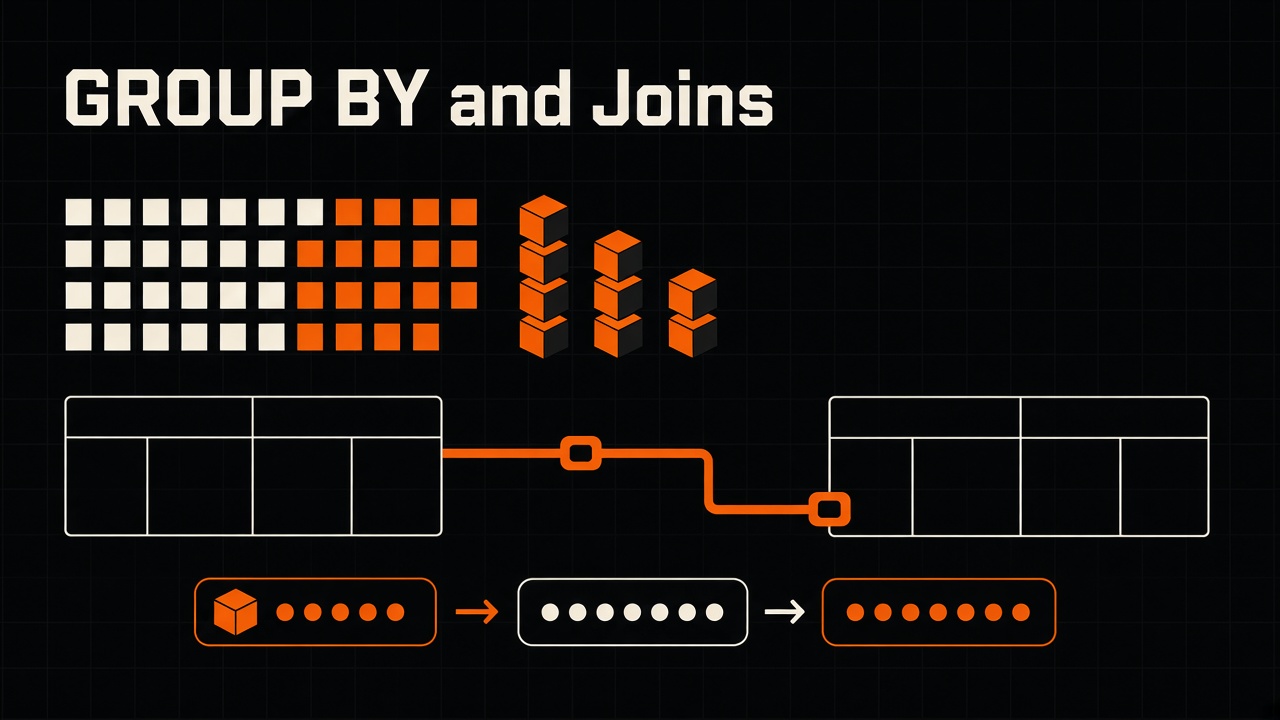
Part 2 of a Databricks SQL Editor series: GROUP BY and HAVING, inner vs left joins, common table expressions, and window functions for ranks and running totals.
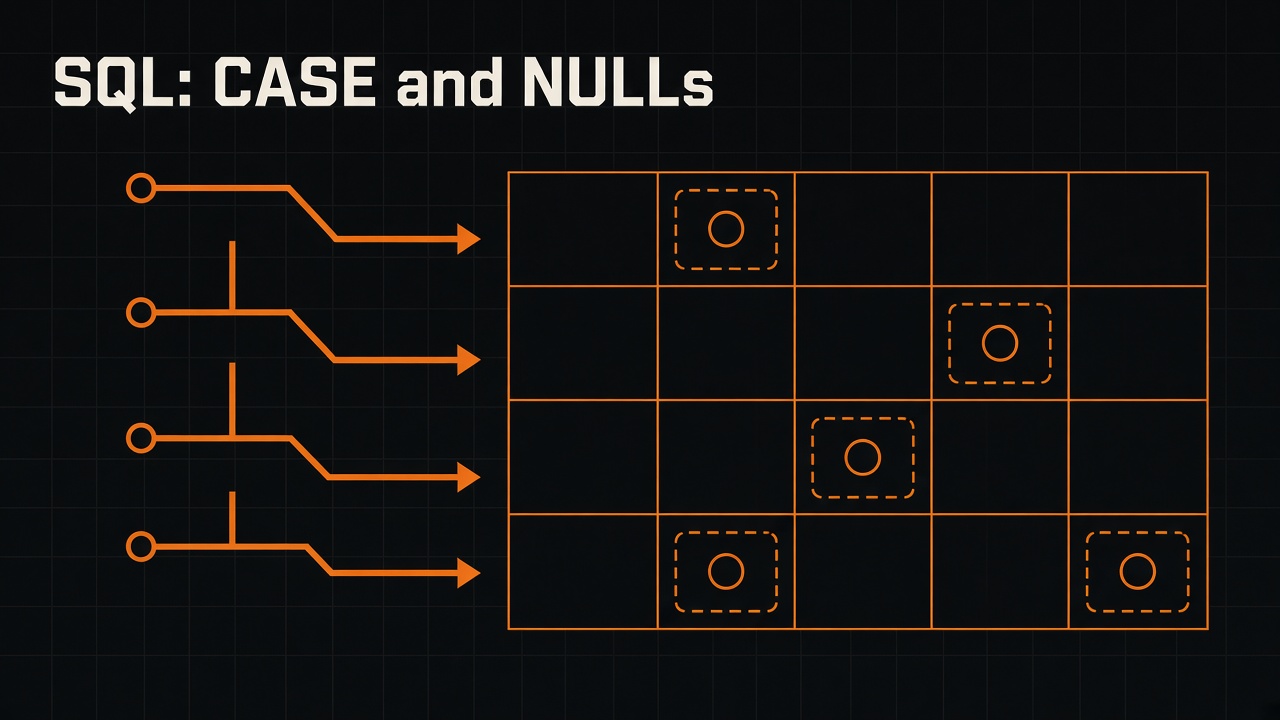
Part 1 of a Databricks SQL Editor series: run SELECT, WHERE, ORDER BY and CASE on a serverless SQL warehouse, and learn the null rules that trip people up.
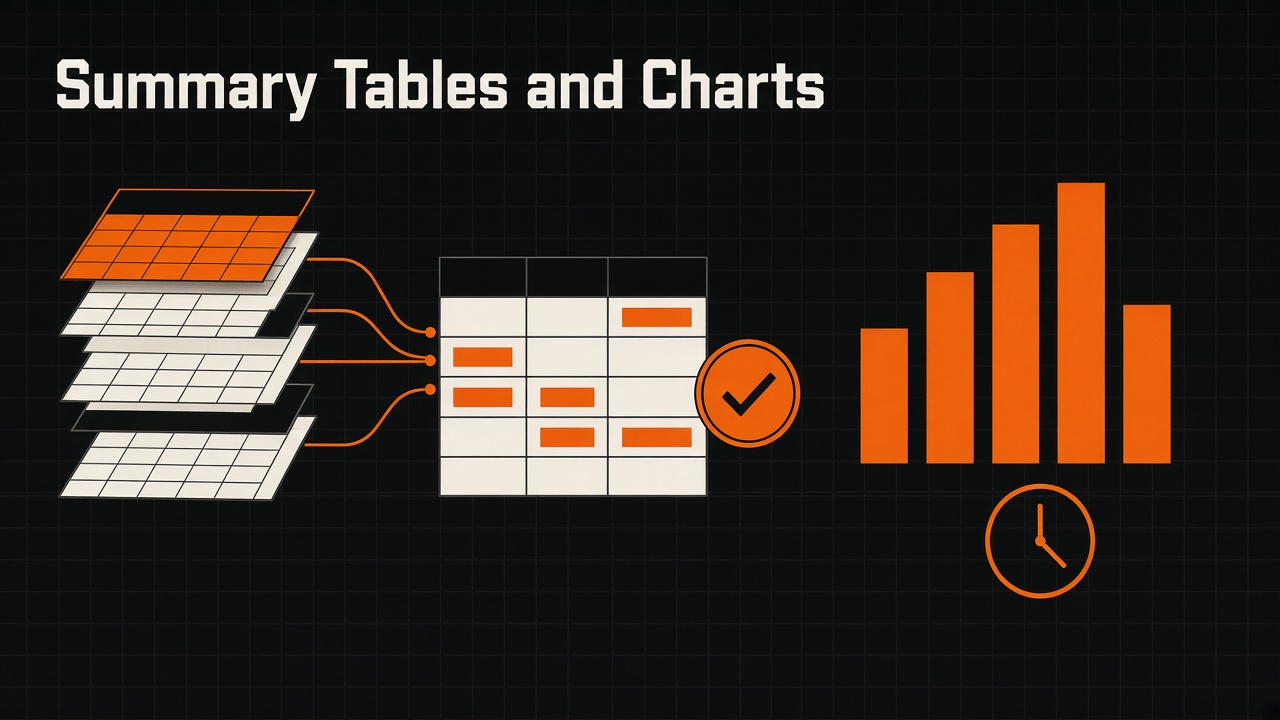
Databricks SQL Editor Part 3: save tables with CREATE TABLE AS SELECT, validate a summary table, build a bar chart, and find work in query history.
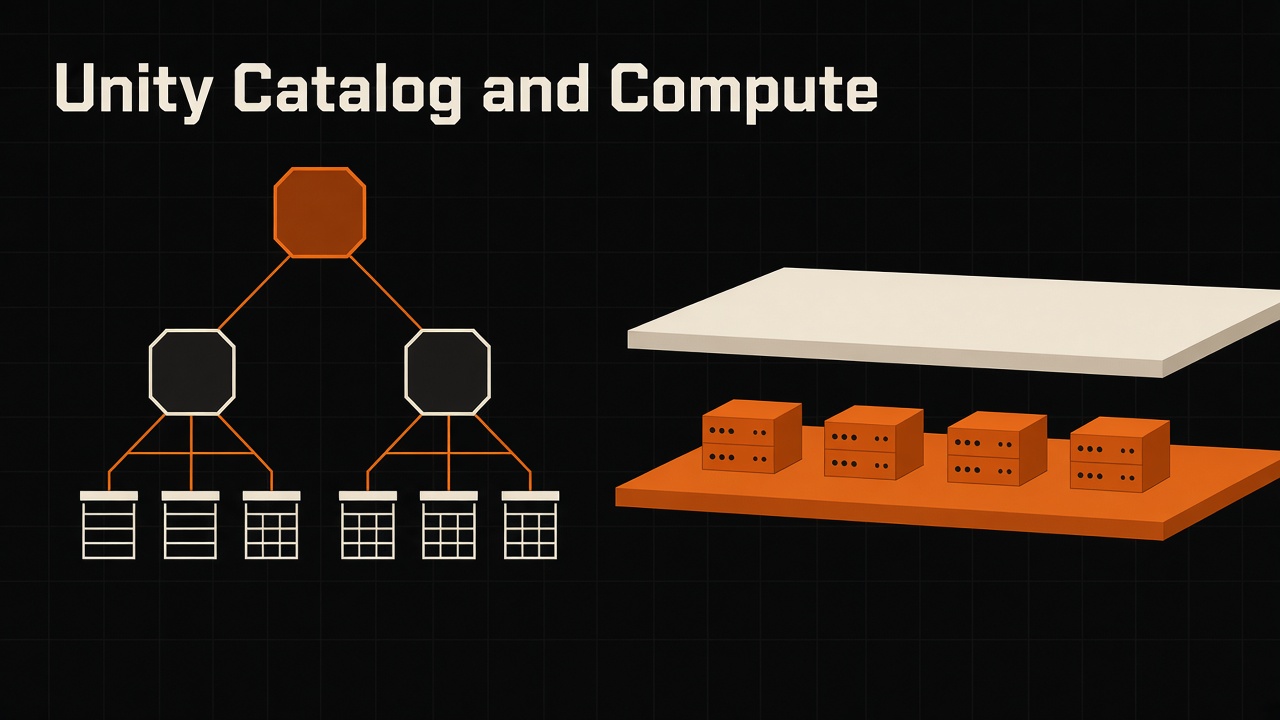
Databricks Data Engineer Associate exam prep, Section 1: control and compute planes, Unity Catalog, managed Delta tables, and picking compute by workload and cost.
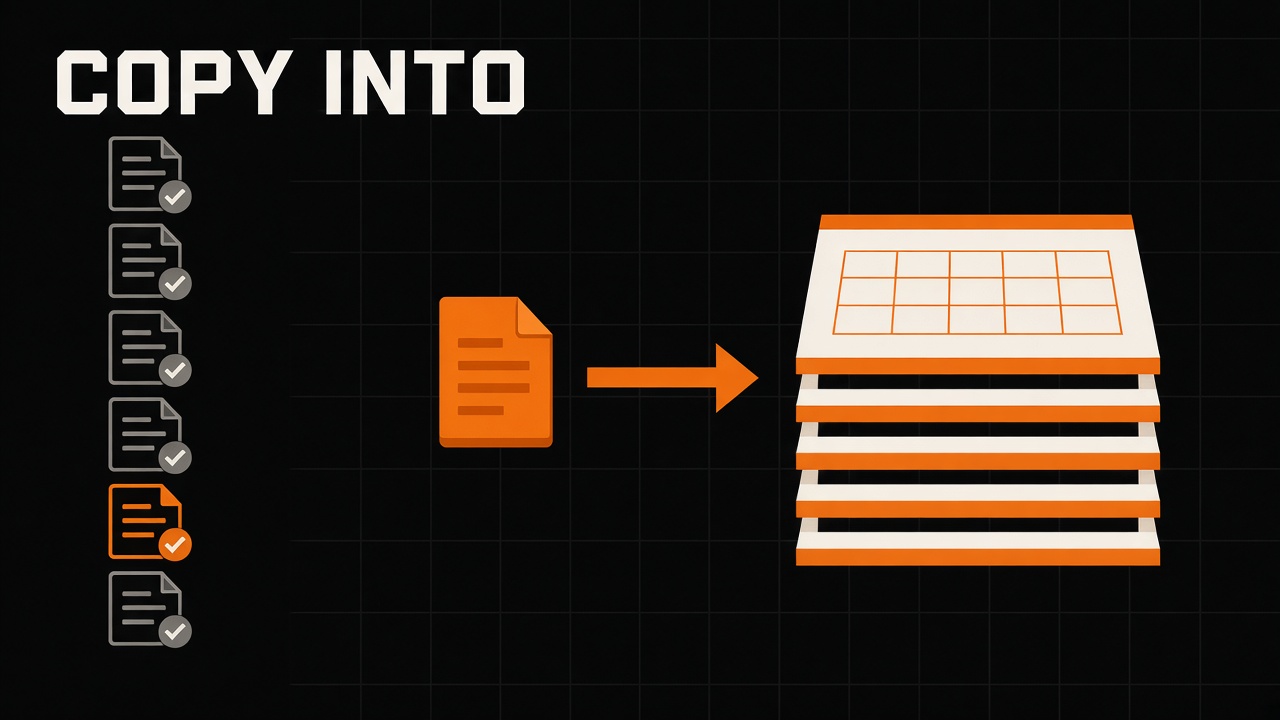
Databricks Data Engineer Associate exam prep: how COPY INTO loads only new files, why reruns insert zero rows, format vs copy options, and when Auto Loader wins.
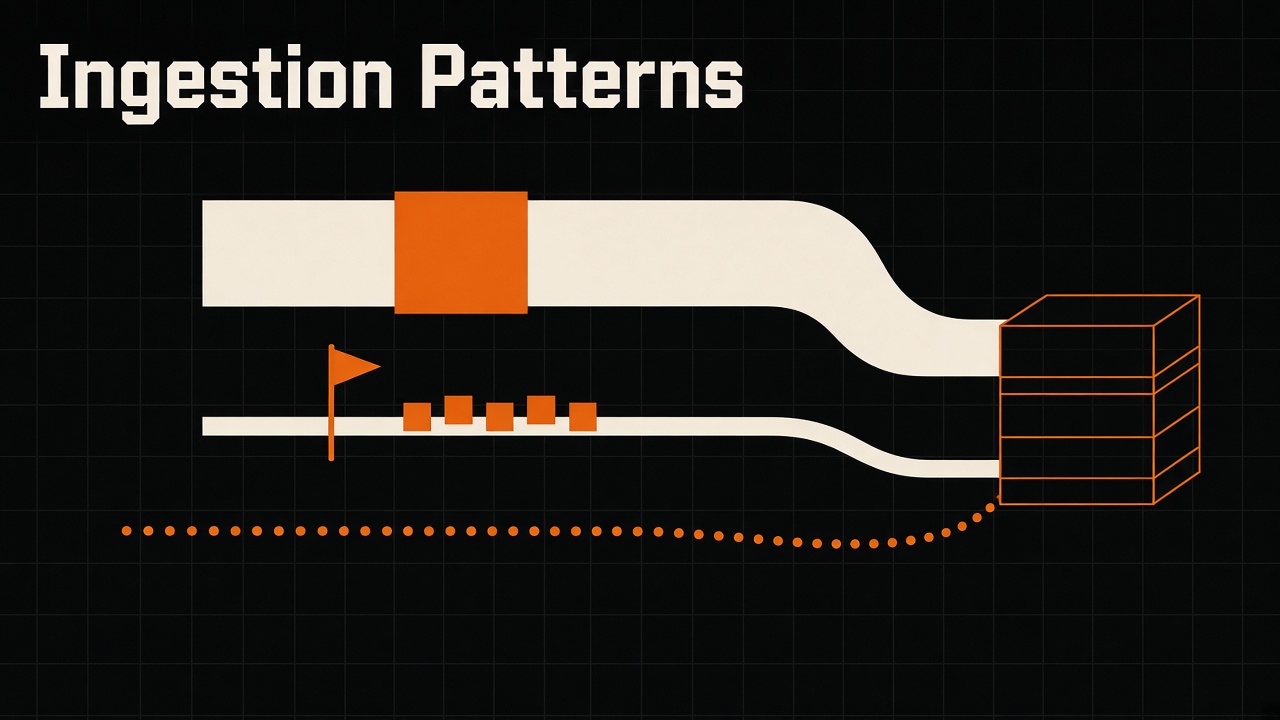
Databricks Data Engineer Associate exam prep, Section 2: compare batch, incremental and streaming ingestion with Auto Loader, and Lakeflow Connect connectors.
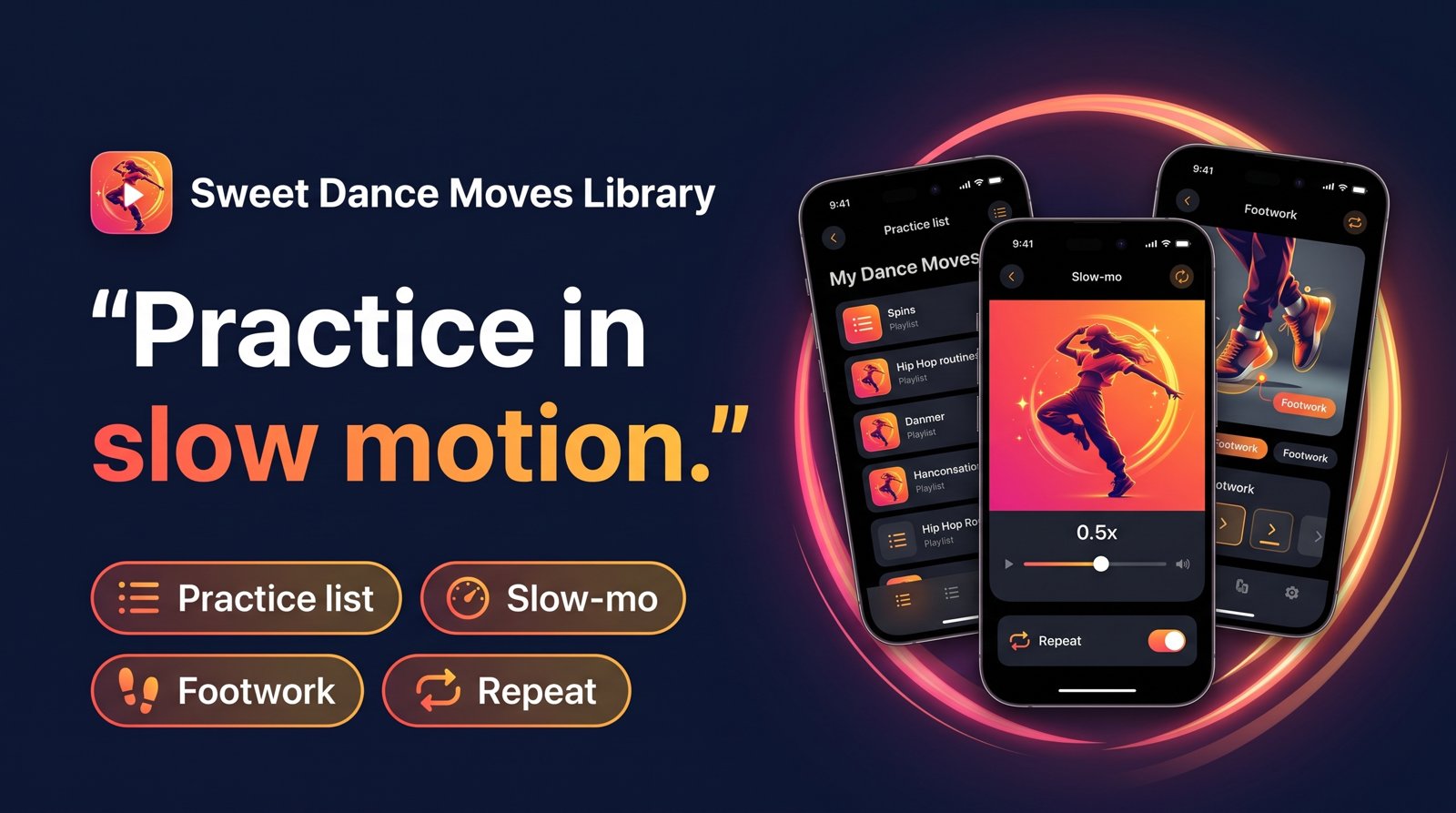
A practice list turns saved videos into the exact set you need for class, a show, or a competition, and slow motion makes the footwork easier to study.
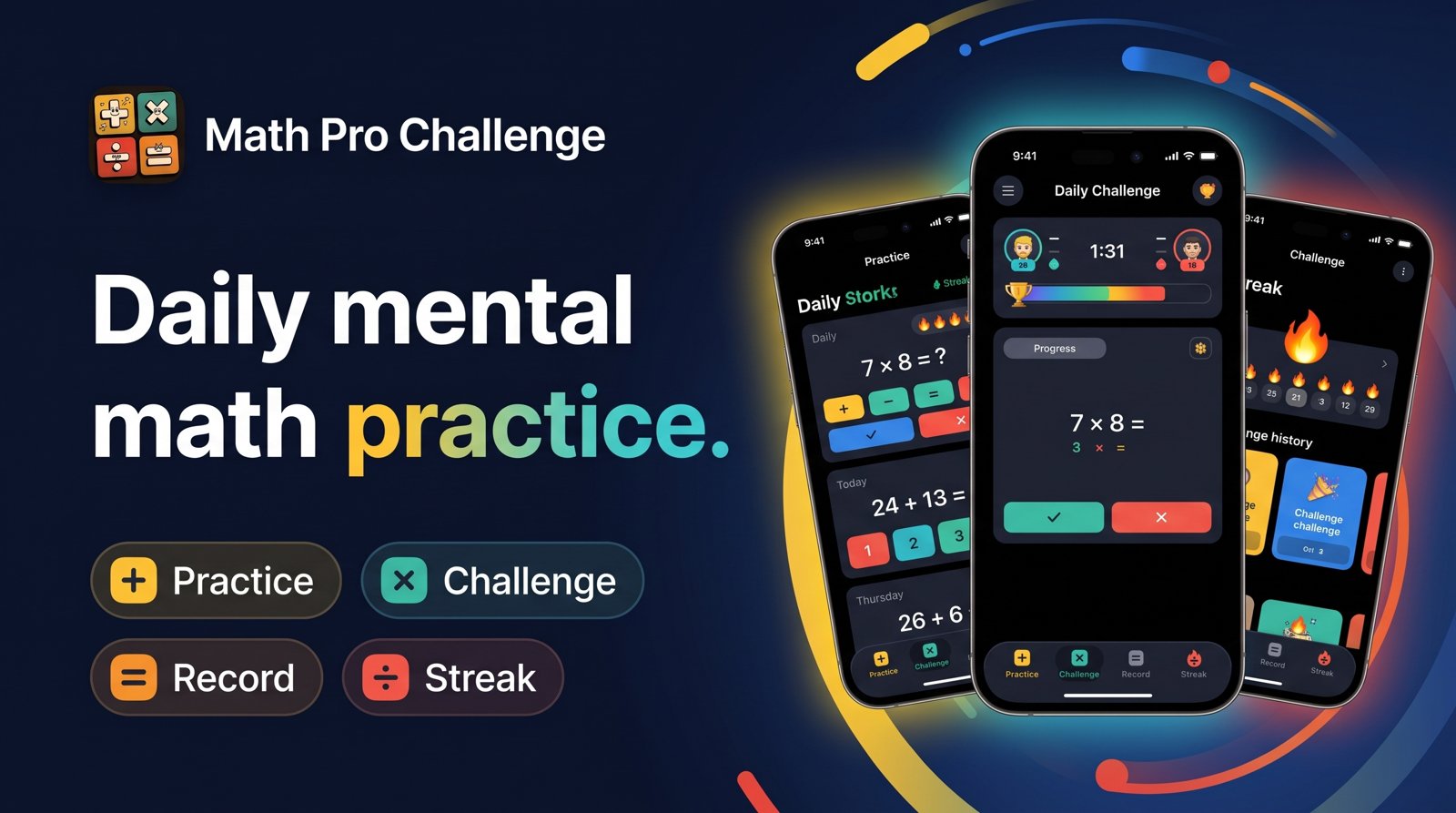
Use topic practice for arithmetic, geometry, or algebra so your daily math work does not change your challenge stars or your competitive record at all.

A short daily card-matching puzzle is a straightforward way to practice recall, focus, and pattern recognition without planning a long study session first.
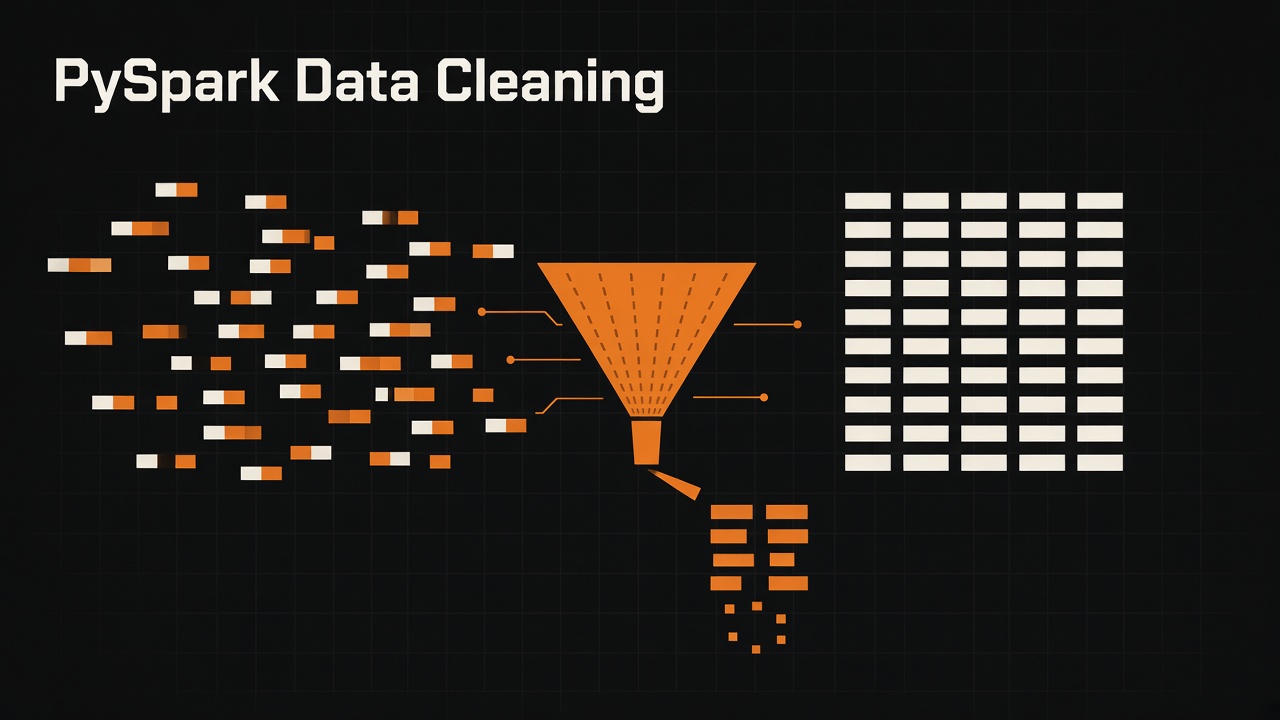
Clean data with PySpark on Databricks Free Edition: select columns, filter invalid rows, handle nulls on purpose, and save a Delta table that never overwrites.
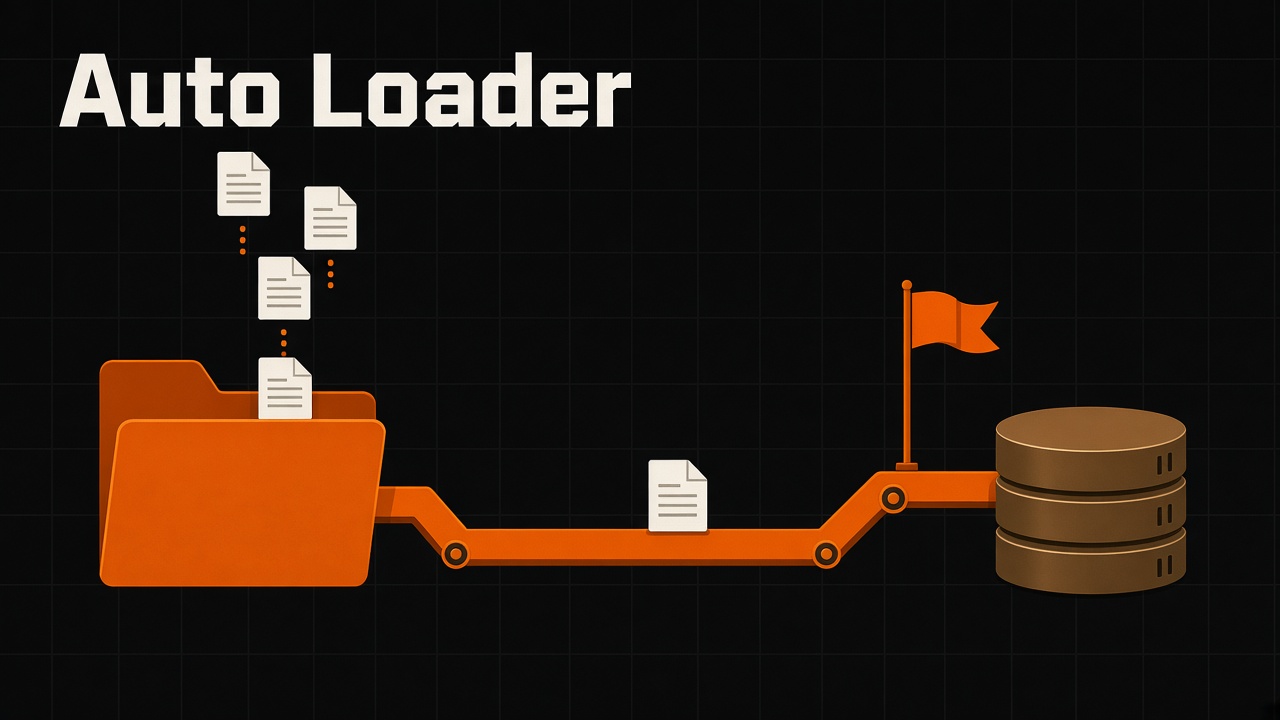
Use Databricks Auto Loader with a checkpoint and availableNow to load only new files into a bronze Delta table, rescue bad values, and prove reruns add nothing.
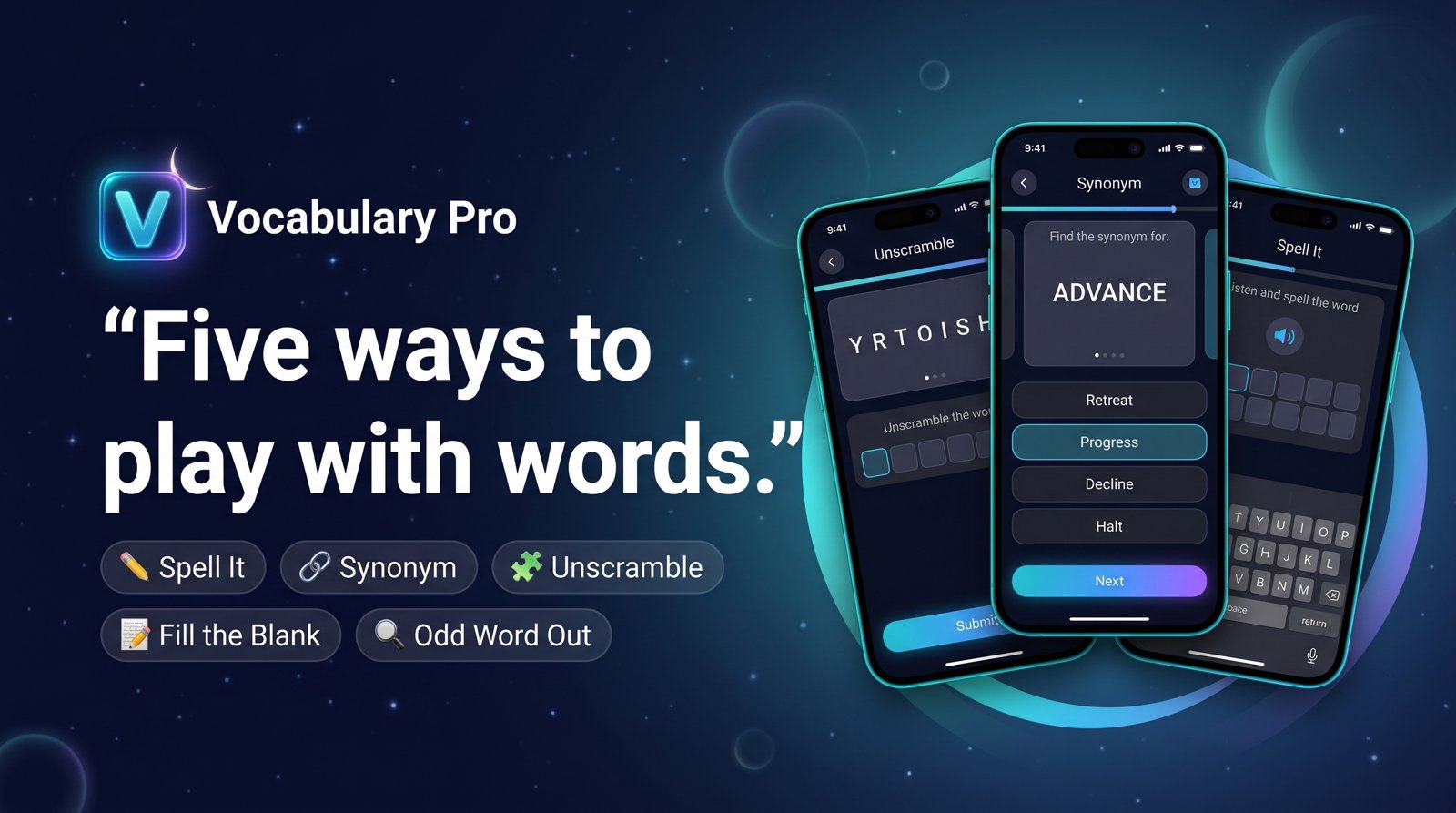
Spell It, Synonym, Unscramble, Fill the Blank, and Odd Word Out each practice a different part of your vocabulary. Here is how to use the mix to find your weak spot.
No posts yet — check back soon.